Co-op guide
BEST CO-OP GAMES FOR YOUR GROUP
The best co-op game depends less on its review score than on how your group plays. A regular pair can sustain a long campaign, while an irregular group needs easy re-entry and useful roles for players who miss a session.
Selection criteria
WHAT ACTUALLY
MATTERS.
- Everyone can join on compatible platforms
- Progress survives different attendance patterns
- Downtime still gives each player something useful to do
- Difficulty and communication demands fit the group
Recommended options
THE SHORTLIST,
WITH REASONS.
Each link opens a full fit guide with strengths, limitations and compatible play styles.
-

Baldur's Gate III
Pick Baldur's Gate 3 for a story-heavy role-playing game where conversation, exploration and improvised decisions matter as much as combat. It is especially rewarding when you enjoy living with unexpected consequences.
See the complete fit guide -
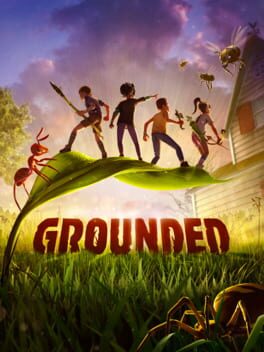
Grounded
Pick Grounded for approachable co-op survival where an ordinary garden becomes a dangerous miniature wilderness. Building matters, but exploration and shared problem solving keep the campaign moving.
See the complete fit guide -
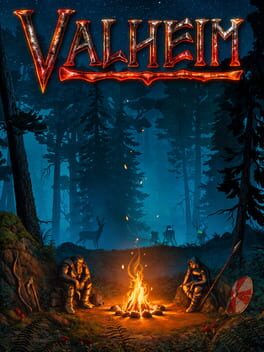
Valheim
Choose Valheim when a calm building evening and a dangerous expedition should belong to the same game. Its survival systems leave enough space for atmosphere, preparation and group stories.
See the complete fit guide -
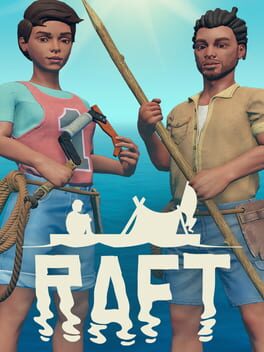
Raft
Pick Raft when you want a co-op survival journey with a moving home. Expanding one small platform into a capable vessel gives every resource trip an immediately visible purpose.
See the complete fit guide -
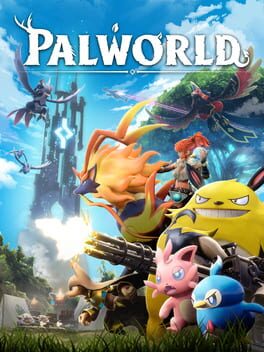
Palworld
Pick Palworld for a playful mixture of creature collecting, survival and automated base work. It is strongest as a shared sandbox where the group invents its own priorities.
See the complete fit guide -
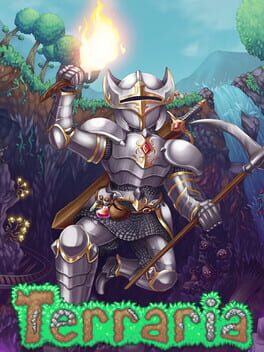
Terraria
Choose Terraria when you want compact sessions that still feed a huge arc of discovery, crafting and bosses. Its 2D world makes exploration readable while hiding an unusual amount of depth.
See the complete fit guide -
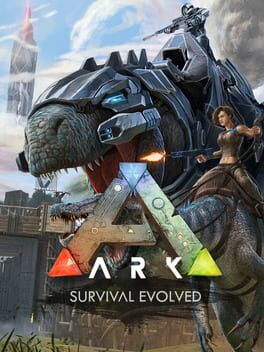
Ark: Survival Evolved
Choose ARK when you want survival, taming and ambitious base building in the same long-running adventure. Its strongest hook is turning a dangerous dinosaur island into a home that reflects your own plans.
See the complete fit guide
Match the game to attendance
A campaign built around shared dialogue is excellent when the same people meet every week. It becomes awkward when one person regularly misses major decisions. Survival sandboxes handle changing attendance better because gathering, building and exploring can remain useful outside the main objective.
Ask whether a returning player can understand what changed in five minutes. Shared storage, visible construction and a written next goal help far more than an unexplained increase in character levels.
Give different players meaningful roles
Good co-op does not require everyone to enjoy the same task. In Raft, one player can steer while another cooks or builds. In a survival game, an explorer and a careful base designer can contribute equally. This reduces friction when skill levels or preferences differ.
Avoid assigning permanent chores too early. Rotate roles until everyone finds a part of the loop they choose rather than tolerate.
Check the practical details
Before buying, verify maximum group size, cross-play support, whether one host must be online and how saves are stored. These details change over time and can matter more than the game's theme.
For a first evening, choose one achievable objective and stop while the group still knows what it wants to do next. A strong return hook is more valuable than exhausting all available content.
Frequently asked
QUICK
CLARIFICATIONS.
What is a good co-op game for two people?
Portal 2 is ideal for a focused puzzle campaign. Grounded, Raft and Valheim suit pairs who want a longer shared world.
Which co-op game works when attendance changes?
Terraria, Valheim and Palworld tolerate independent gathering and building better than a tightly synchronised story campaign.
Should we use a public or private server?
Start privately when learning a survival game. Public servers add social unpredictability, competition and moderation concerns that can change the experience completely.