Time guide
GREAT GAMES FOR SHORT SESSIONS
A short-session game needs more than a short total length. It needs a fast start, a natural stopping point and progress that remains understandable when you return tomorrow.
Selection criteria
WHAT ACTUALLY
MATTERS.
- A useful session fits roughly 15–45 minutes
- Stopping does not punish the player
- Returning after a break requires little reconstruction
- Progress is visible even without finishing the whole game
Recommended options
THE SHORTLIST,
WITH REASONS.
Each link opens a full fit guide with strengths, limitations and compatible play styles.
-

Fortnite
Pick Fortnite when you want fast, social matches and a game that changes frequently. Zero Build makes the core battle royale easier to approach if construction is not your interest.
See the complete fit guide -

Apex Legends
Choose Apex Legends when you want movement-focused squad combat and distinct characters without building mechanics. It rewards communication, positioning and learning how team abilities combine.
See the complete fit guide -
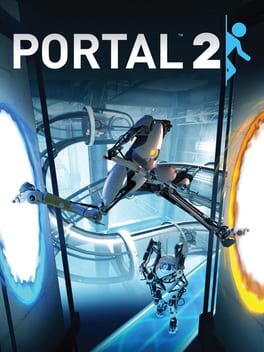
Portal 2
Choose Portal 2 for a clever, funny puzzle game with a focused solo campaign and a genuinely different two-player mode. It gives frequent moments of insight without requiring a huge time commitment.
See the complete fit guide -
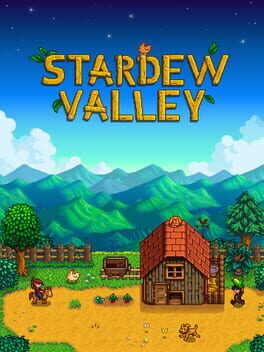
Stardew Valley
Choose Stardew Valley when you want gentle routines, a farm that visibly improves and a town full of small stories. A day is short enough for a quick session, while long-term goals keep the save meaningful.
See the complete fit guide -
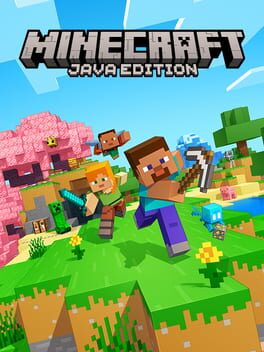
Minecraft: Java Edition
Pick Minecraft when you want a world that can become a building project, survival journey, technical challenge or social space. Its value comes from choosing your own definition of progress.
See the complete fit guide -
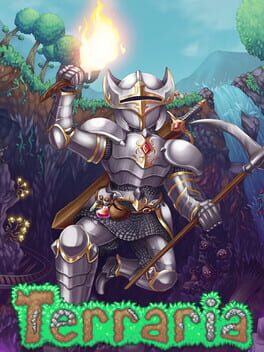
Terraria
Choose Terraria when you want compact sessions that still feed a huge arc of discovery, crafting and bosses. Its 2D world makes exploration readable while hiding an unusual amount of depth.
See the complete fit guide
Matches, levels and in-game days
Competitive matches have the clearest boundary: one result, then a decision to continue or stop. Puzzle chambers and missions can offer the same structure without multiplayer pressure. Stardew Valley's in-game day is particularly useful because saving and planning happen together.
Be careful with queues, updates and setup time. A 20-minute match is not a 20-minute session if reaching it regularly takes another ten minutes.
Make a sandbox fit a small window
Open-ended games need a player-created boundary. Before loading Minecraft or Terraria, choose one task such as finishing a roof, finding one material or exploring one cave route. Stop when it is complete rather than inventing the next task immediately.
Leave tools and materials near the next objective. Reducing the cost of remembering makes it much easier to enjoy the save in small pieces.
Avoid progression pressure
Daily challenges and limited-time rewards can make a short game feel like an obligation. Treat them as optional. The best short-session choice leaves you satisfied after one round instead of making you feel behind for not playing five.
If an evening is unpredictable, prefer games that can pause or save immediately. Online team games require a reliable uninterrupted window even when the match itself is short.
Frequently asked
QUICK
CLARIFICATIONS.
What can I play for about 20 minutes?
One Fortnite or Apex Legends match, several Portal 2 puzzles or a Stardew Valley day can fit. Allow extra time for online queues and updates.
Can a long game still suit short sessions?
Yes. Total length matters less than frequent save points, clear objectives and easy re-entry.
Which short-session option is relaxing?
Stardew Valley is the most structured relaxed choice here. Minecraft can also work in peaceful or creative play when you define a small task.