A player review · War Thunder
WHY WAR THUNDER IS A GAME OF TACTICS, TANKS AND SHIPS
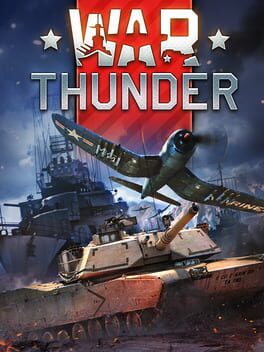
What interests me in War Thunder is the tactical side of vehicle combat. Tanks are my main attraction, but naval battles add a different scale and pace that makes ships interesting in their own way.
- Main interest
- Tactical vehicle combat
- Favourite vehicles
- Tanks
- Also enjoyed
- Naval battles
- Format
- Team-based online battles
01
The important decision happens before the shot
War Thunder becomes interesting when combat is understood as more than aiming quickly. Position, visibility, terrain and timing determine which player gets a useful shot in the first place. A technically powerful vehicle can still be ineffective when it is exposed in the wrong location.
That tactical layer is what keeps a match from feeling like a simple exchange of fire. Moving forward, waiting or changing route can all be meaningful decisions.
02
Why tanks are my main attraction
Tank battles reward awareness. Cover protects only from certain directions, open ground can become dangerous and an apparently safe route may be watched by an enemy who reached a strong position first.
Different vehicles also encourage different behaviour. Speed, protection, weapon characteristics and visibility affect whether a tank should lead an attack, support from a safer distance or find another angle. Learning that role is as important as unlocking the vehicle itself.
03
Naval battles change the scale
Ships create a different kind of tactical problem. Engagements can develop across longer distances, movement carries more momentum and attention must cover several threats at once. Positioning still matters, but it must be planned on a larger scale.
That contrast is valuable. Naval combat is not simply tank combat placed on water. It changes the rhythm of aiming, movement and target selection, giving me another way to enjoy the same broader interest in military vehicles.
04
Combined arms make the battlefield less predictable
War Thunder's official modes include battles where ground vehicles and aircraft, or ships and aircraft, can operate in the same fight. This means a plan cannot consider only the enemy directly ahead.
Combined threats create additional tactical pressure. A position that is strong against another tank may be vulnerable from the air, while anti-air vehicles and teammates can protect an advance. The battlefield works best when players recognise how their roles support each other.
05
Knowledge can be a barrier
The depth that makes War Thunder interesting also creates a learning curve. New players face many vehicles, game modes and technical differences. Defeat may happen before the reason is obvious, especially when an experienced opponent already understands the map and vehicle matchup.
Progression can also pull attention toward unlocking the next vehicle instead of learning the current one. I think the game is more rewarding when each match is treated as a tactical lesson rather than only another step in a research grind.
06
Who should try War Thunder?
War Thunder suits players who are interested in military vehicles and willing to learn why a position, route or target choice worked. Tanks provide close tactical terrain problems, while ships offer a broader and more deliberate form of combat.
Someone wanting an effortless arcade shooter may find the amount of vehicle and map knowledge frustrating. Someone who enjoys analysing a battle and changing the next plan can find a game with a great deal to learn.
Tanks brought me to War Thunder, ships expanded the experience, and tactics are what make both forms of combat worth returning to.